A good party has a clear center of gravity. For kids’ birthdays, school carnivals, block parties, and summer family gatherings, that center is often a bounce house or an inflatable course that draws kids like a magnet. I’ve set up inflatables on uneven lawns, tight city patios, and windy fields, and I’ve learned that the difference between a happy, low-stress day and a string of headaches usually comes down to three things: choosing the right unit, preparing the space well, and managing safety like a pro. The rest is just smiles and grass stains.
What a Bounce House Really Needs to Work
An inflatable looks simple from the outside, yet the whole system relies on a few non-negotiables. Airflow is the heartbeat. A continuous blower keeps the structure inflated, which means power must be steady and cords must be safe. The surface under the unit must be flat, reasonably dry, and free of anything sharp. And lastly, there needs to be room. Not just room to fit the inflated footprint, but a buffer around the edges for stakes, blower placement, and safe entry and exit.
When I evaluate Article source a site, I do a slow walk, checking slope with my feet. If I feel myself leaning downhill, the kids will feel it too, and their weight will pool to one side. Most standard bounce houses tolerate a gentle slope, roughly 5 degrees or less. Anything beyond that, and you’re back to problem-solving: shifting the unit, using leveling pads on the low side, or relocating altogether. Seasoned rental crews carry extra ground tarps to help tame small bumps and protect seams from rocks or roots, a detail that saves headaches later.
Picking the Right Inflatable for Your Crowd
Family parties aren’t one-size-fits-all, and neither are bounce houses. A classic 13-by-13-foot unit fits eight younger kids comfortably in a rotation. A 15-by-15 gives a bit more room for bigger kids, but pay attention to height clearance under trees or pergolas. When you switch to bounce houses with slides, or combination units, the footprint jumps. A combo might run 13-by-31 feet, with a slide and a climb lane that need a clear landing zone. If you’re hosting a mixed age group, a combo is often the best pick. Younger kids enjoy the bounce area, older siblings gravitate to the slide, and you can regulate flow at the entrance with a volunteer.
Inflatable obstacle courses introduce another layer. They’re fantastic for school field days and neighborhood events because they move kids through in bursts, which avoids the overcrowding you sometimes see in a square bounce house. A 30-foot course fits a typical yard more often than people expect, but measure the length carefully, and remember the turn radius if you have a gate. Longer units, 40 to 70 feet, deliver more features and speed but consume yard space fast. For wide, shallow yards, an L-shaped setup can sometimes work if the vendor can split the course into two pieces.
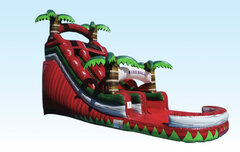
Water adds joy and complexity at the same time. Inflatable water slides and backyard water slides are the summer waterslides kids rave about, but they demand drainage planning and careful supervision. A nine-foot-tall slide works for younger kids, while 14 to 18 feet suits older kids and teens. Anything above 18 feet feels intense and requires serious anchoring, space, and attention to wind. If you’re looking at water slides for rent, ask the vendor about their setup in soft soil after a rainy week. Good crews will insist on extra stakes or water ballast and will call the day before if wind forecasts tick above safe limits.
Safety Rules That Actually Work
Rules matter, yet the ones that keep kids safe are surprisingly simple and easy to enforce. Start with socks off, shoes off, and pockets empty. Hard objects become projectiles as soon as the blower hums. Glasses and jewelry should come off if possible. Mix sizes sensibly. Toddlers belong with toddlers. Grade-school kids play well together. The big eighth grader who can dunk on a mini hoop doesn’t belong in the same session as your preschoolers. Most vendors list a maximum occupancy and a weight limit, but you’ll also need judgment. When you see the bounce starting to bottom out, it’s time to rotate.
Wind is non-negotiable. Industry guidance generally calls for shutdown if steady wind hits 15 to 20 miles per hour, even lower for taller or lighter units. I carry a compact anemometer because guessing by feel gets people into trouble. If a gust surprises you and the wall bows inward, pause and clear the unit. Stakes must be the right length for your soil and hammered fully, not set at an angle. On asphalt or concrete, sandbags must be sized for the unit’s sail area, not just the corners that look convenient. Good vendors know this cold, but if you set up your own, it’s worth reading a manufacturer’s guide before event day.
Supervision beats signage, every time. A teen volunteer with a whistle and a simple job description will save your event. They should control entry, keep an eye on rough play, and limit flips to units designed for it. The best safety tool I know is a relaxed adult who keeps the line moving and calls out rotations with a smile.
Power, Blowers, and Noise You Can Live With
Blowers draw real power. A standard 1 to 1.5 horsepower blower for a mid-size bounce house might pull 7 to 12 amps, and a combo with two blowers can push you toward the limits of a typical household circuit if you add anything else on the same line. Keep each blower on a dedicated outlet when possible. If you must use an extension cord, choose a 12-gauge cord for runs up to 50 feet. Thinner cords heat up, trip breakers, and ruin a party faster than a summer storm.
Noise is more manageable than you might think. A blower sounds like a shop vac running in the background. If you place it behind the unit, facing away from your gathering, the hum blends into conversation. For water slides, expect a bit of splashing and squeals that drown out the blower anyway.
Surface Prep: Grass, Concrete, and Everything Between
Grass is forgiving. It grips stakes, cushions knees, and drains well if you choose a spot that isn’t a low basin. Rake before setup, remove twigs and small stones, and put down a ground tarp that extends a foot or two beyond the unit’s footprint. Concrete is workable with the right ballast. Sandbags should be heavy enough that an adult struggles to budge them, and they should be positioned on every attachment point the manufacturer specifies, not just the corners. On artificial turf, use tarps to avoid friction wear and check heat on sunny days. Turf gets hot, and the vinyl can warm up more than you expect. A light misting hose cools everything quickly.
For backyard water slides, think ahead about where runoff will go. The landing pool will spill a lot of water as kids exit. If that water funnels to your back door or a basement stairwell, you’ll wish you had turned the unit ninety degrees. A simple trench in the grass or a perforated soaker hose laid downhill can direct water away from patios. On dry, dusty ground, adding a small mat at the exit reduces mud that follows kids indoors.
Matching Capacity to Your Guest List
The right size isn’t just about the unit dimensions, it is about throughput. The fastest way to avoid long, cranky lines is to choose inflatables that move kids in cycles. Obstacle courses do that naturally. So do bounce houses with slides because the slide acts like a release valve. If you expect 25 to 35 kids rotating in and out, a 13-by-13 will work if you control sessions to a couple of minutes each. With 40 or more kids, the crowd will feel restless unless you add a second attraction or upgrade to a combo or small obstacle course.
For mixed ages, consider pairing a small toddler-friendly inflatable moonwalk near a larger unit. It keeps little ones happy and safe while older kids go bigger. Parents can relax instead of playing traffic cop every minute.
Rentals vs. DIY: What You Get From Pros
Some families own small backyard inflatables and pull them out on birthdays. They’re fun for casual use, and you can manage them for a handful of kids. The trade-offs show up with larger gatherings. Professional inflatable rentals bring heavier vinyl, stronger seams, proper anchoring gear, and vendor insurance. A reputable company will have you sign a contract that spells out weather cancellations, surface requirements, and responsibilities. They’ll also have a plan for power and a backup blower if one fails.
If you rent bounce houses regularly for school or church events, build a relationship with a company that answers the phone and will tell you the truth about wind or space constraints. A good vendor declines setups that are unsafe, even if it costs them a booking that day. That’s a feature, not a bug.
Setup Day: A Smooth Sequence That Saves Time
Walk the space an hour before delivery, even if you measured last week. Sprinkler heads have a way of sitting exactly where a stake needs to go. Park cars away from the drop zone so the crew can back in or dolly gear without weaving around fenders. Check outlets for GFCI resets, and identify which circuits serve which outdoor plugs. If a breaker trips, you’ll solve it in minutes instead of guessing.
The crew will unroll the unit like a giant rug, connect the blower tube, and start the motor before anchoring fully. This is normal. Inflation helps find the true corners and tension the fabric for clean staking. If your soil is loose or sandy, mention it early so the crew can use longer stakes or double up at corners. Ask how to power down in an emergency, then let the crew finish their checklist. Most setups take 20 to 40 minutes depending on size, access, and surface.
Managing Water Features Without a Mess
Inflatable water slides are a blast on hot days, but make friends with your hose shutoff. Start with a gentle flow. Many slides need far less water than you expect, and running them at full blast overwhelms the landing pool and your lawn. Kids prefer slick slides, not fire hoses.
The vinyl will get slick under bare feet, which is the point, but keep an eye on the steps. Slides usually have textured climbing lanes with handholds, yet tired kids slip. A quick towel dry on the steps now and then adds grip. When you wrap up, drain the pool slowly by lifting one side and letting water run downhill. A quick swing of a push broom helps move standing water if you’re racing sunset. Leave the blower running for ten to fifteen minutes after water is off to push moisture out of seams before the crew rolls it up. That prevents mildew and keeps the unit fresh for the next family.
Weather Calls, Refunds, and Backup Plans
Weather anxiety is part of summer event planning. Most rental companies define a safety threshold for wind and lightning. Light rain is often workable for dry units, but it turns slick vinyl into a poor match for flips and slides. If you book inflatable water slides, a passing shower isn’t a deal breaker, yet lightning within a few miles means a full stop. Reliable vendors offer rain checks or credits if unsafe conditions force a cancellation. If your date has tricky forecasts, ask early how they handle last-minute changes so you can set expectations with guests.
A practical backup plan is to shift games under a canopy, run a short craft table, and keep snacks going while you wait out a passing cell. Kids don’t need much to stay happy. An organized pause beats an unsafe gamble.
The Maintenance You Don’t See, and Why It Matters
Good inflatables don’t just happen. They are scrubbed, dried, patched, and inspected between bookings. Vinyl wears like a tough leather boot, but it still needs care. Seams get checked, anchor points re-stitched when they show fraying, and blowers cleaned of dust that chokes airflow. If a company shows up with a stained unit or mismatched stakes, ask questions. Clean, well-kept gear signals a crew that invests in safety.
If you own a small unit for backyard use, let it dry fully before storage. A single damp fold is enough to grow mold in a week, and mold ruins stitching long before it ruins your day.
Two Quick Reference Lists Worth Saving
Essential safety checks before kids climb in:
- Stakes or sandbags secured at every anchor point, with no slack in the straps. Blower on its own circuit, weather-rated cord, and the intake screen clear of debris. Clear rules about mixed ages and capacity, with an adult supervising the entrance. Wind monitored using a forecast and, ideally, a handheld meter. Entry, exit, and surrounding ground free of hoses, cords, toys, and sharp objects.
Simple sizing guide based on guest count and age:
- Under 15 kids, mostly ages 3 to 7: 13-by-13 bounce house or small bounce houses with slides. Fifteen to thirty kids, mixed ages: combo unit or 30-foot inflatable obstacle course. Thirty to fifty kids or rotating groups: obstacle course plus a standard bounce house. Hot weather with older kids: 14 to 18-foot inflatable water slides with safe runoff. Toddler-heavy events: a small inflatable moonwalk plus separate play space for bigger kids.
Costs, Timing, and Little Details That Stretch Your Budget
Prices vary by region and season. For a typical suburban market, a standard bounce house often rents in the 125 to 225 dollar range for a day. Combos might run 225 to 350, with inflatable obstacle courses and large water slides reaching 400 to 800 or more, depending on height, features, and length of rental. Summer weekends book quickly. If your date is flexible, ask about weekday discounts or shoulder-season rates. If you need multiple units, vendors sometimes bundle pricing and reduce delivery fees.
Time matters as much as price. Morning delivery sets a relaxed tone, but confirm your earliest arrival window if your event has a tight start. Ask how much time they need for teardown so you can schedule the last bounce without rushing families out the gate.
Where Inflatables Shine, and Where They Struggle
Inflatables excel at open-air fun that rewards movement. They burn energy, create social flow, and give kids a job to do besides hovering around the cake table. They struggle in tight indoor spaces with low ceilings. Gyms can work with proper anchoring, but small basements and bonus rooms are a no-go for commercial units due to clearance and egress. In windy fields, they require strict anchoring and weather calls. On very hot days, darker vinyl gets warm under the sun. Light-colored units help, as do shade sails and quick water breaks.
A Few Mistakes I’ve Seen, So You Don’t Repeat Them
The most common avoidable mistake is underestimating how much space you need around the unit. If the edge hugs a fence, you’ll fight to secure stakes at the correct angles, and kids will plow into boards with no buffer. The second mistake is mixing giant kids with small ones because the line got long. Rotate by age and height. Finally, ignoring the wind because the unit “seems fine” has led to more near misses than anything else. If stakes start to flex or the walls pulse inward, shut it down, regroup, and wait for calmer air.
Integrating Inflatables Into the Flow of Your Party
A party breathes better when there is a rhythm. Start with open bounce time as guests arrive, then switch to a short organized game on the obstacle course, break for snacks or cake, and reopen for free play. Kids respond well to structure that lasts ten to fifteen minutes at a time. If you have prizes or a raffle, tie them to safe behaviors: best line manners, most helpful cleaner at the end, or a high-five award for patient younger siblings.
For adult sanity, set a simple shoe station and a towel station near the entry. Sand, grass clippings, and water have a way of migrating into kitchens and cars otherwise.
When Water Isn’t an Option, Create Cool in Other Ways
Some yards can’t handle a water setup, or you might have local restrictions. You can still score the summer feel without the soak. Shade tents over the queue, a couple of misting sprayers at low flow, and plenty of cold drinks keep tempers and temperatures down. Choose lighter-colored vinyl and units with mesh panels on three sides for airflow. If you book late in the afternoon or early evening, the sun dips enough to make a dry bounce feel great again.
Final Thoughts from the Field
At their best, bounce houses for parties behave like a magnet for laughter. They don’t ask children to perform, they invite them to move. If you plan with safety in mind, measure your space honestly, and choose a unit that matches your crowd, you’ll spend less time policing and more time enjoying the day. A small backyard with a compact combo can feel like a festival if you run it well. A big field with an inflatable water slide and an obstacle course can turn into a community hub for an afternoon.
When you look for inflatable rentals, ask about wind policies, anchoring methods, cleaning routines, and power requirements. Share a few photos of your yard with the vendor before you book. If you’re thinking about water slides for rent, map your runoff and keep towels by the steps. And if your heart is set on backyard water slides but the forecast calls for gusts, it’s okay to pivot. Safety doesn’t ruin a party, it preserves it.
Done well, these bright vinyl castles and courses become the stories kids tell in the car on the ride home, the reason they fall asleep early, and the detail they remember a year later when you ask what they want for their next birthday. That’s the mark of a good choice, and it is well within reach with a bit of care.